Practice

Federal criminal defense


When the United States is the opposing party, the file is different. The rules are different. The exposure is different. That is the work.

Major federal cases, not a volume docket.

Gregory Galvin defends people and businesses in federal investigations and prosecutions. The practice is built for cases that require a lawyer who will read the discovery, try the case, and not treat the client as a file number.

Federal matters often turn on electronic evidence — computer logs, phones, location data, and the way agents describe that evidence in reports. Gregory Galvin earned EnCase Certified Examiner (EnCE) certification; that credential later lapsed. He still reviews those records the way a trial lawyer should: line by line, device by device.

  • Grand-jury and pre-indictment investigations
  • Indictments in United States District Court
  • Phones, computers, logs, and location data — EnCase-trained forensic review
  • Motions, hearings, and trial
  • Sentencing and post-conviction work where the record requires it

State criminal defense remains part of the practice when the case belongs in state court. The federal work is the core of the criminal docket.
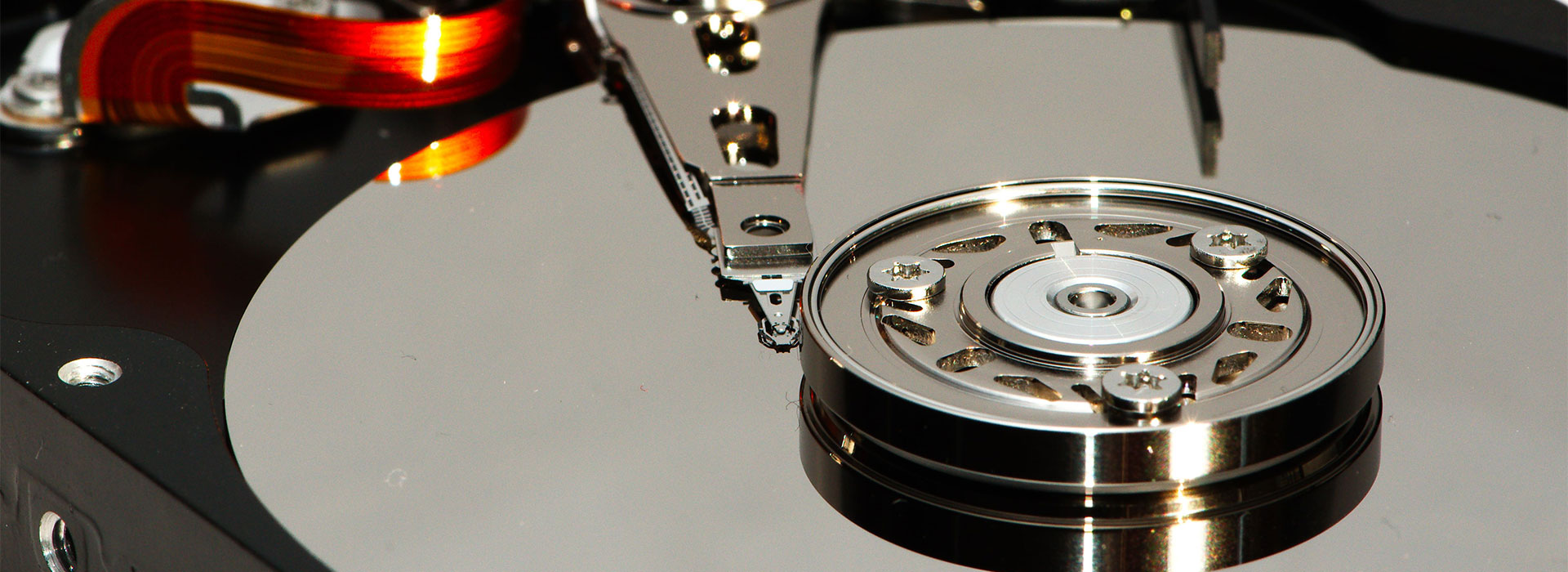
Electronic evidence review

Call before the interview.

If agents have called, or a target letter has arrived, do not wait for an indictment to hire counsel.

Start a confidential consult

Forensics

EnCase training in a world of too much data.

Galvin earned the EnCE credential through EnCase — the forensic software used to take a forensically sound image of a drive or a phone, then search, recover, and document what is on it. The exam is not a weekend course in “computers.” It tests whether the examiner can run a complex examination and follow a method that will hold up when another expert, or a prosecutor, looks at the same image. That certification later lapsed. It is not held as a current credential. The training is still how he reads an image.

That skill is now ordinary trial work, not a specialty reserved for Silicon Valley files. Every federal investigation arrives with devices. Search-warrant returns are dumps of messages, photos, browsing history, and cloud backups. Cell-site maps and GPS pings are offered as if they were photographs of a person standing on a corner. Discovery volumes that used to fill a conference table now fill hard drives.

A lawyer who cannot read the extract is stuck with the agent’s summary. Galvin’s computer knowledge — logs, file systems, phone records, residual data, and the way EnCase presents a case — is used to test that summary before anyone walks into a hearing. If the government has the wrong device, the wrong account, or the wrong time zone, that has to be found in the data, not hoped for on cross-examination.

What the firm actually looks at

Computer and phone images. Email and server logs. Deleted material the tool recovers. Location history. How a 302 or a warrant return describes those records — and whether the underlying extract supports the sentence the agent wrote.

Attorney credentials →

A state-court result that was tried

In State v. Harry Chris Battle, the client was charged with attempted murder after a 2008 Bluffton beating. The firm tried the case, showed the wrong person had been charged, and the jury returned not guilty. Bluffton Today later recorded the acquittal in its year-in-review.

Battle news coverage