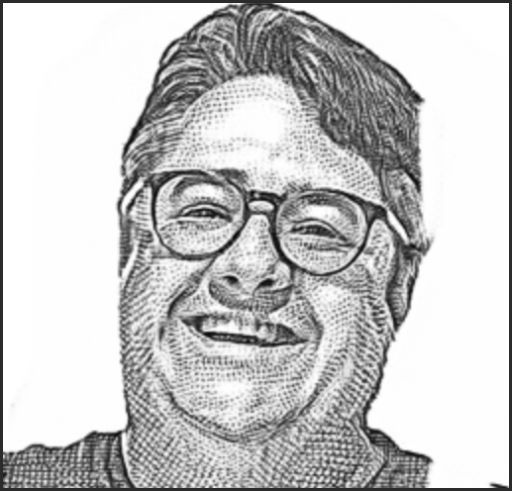
Attorney
Trial lawyer. EnCase-trained examiner. Federal criminal dockets and class actions that changed what ratepayers paid.
Gregory Galvin has spent more than two decades on cases that other firms treat as too large, too political, or too technical. The docket is federal criminal defense, class actions, civil trial work, and Lowcountry closings.
On the class side he was named class counsel in the SCE&G / SCANA V.C. Summer ratepayer settlement — publicly described as more than $2 billion in relief — and class counsel in Cook v. Santee Cooper, the companion nuclear-cost action covering about 1.7 million customers. In Ohio he is counsel of record in Emmons v. FirstEnergy Corp., the Householder / House Bill 6 class action. The related federal settlement paid $49 million to Ohio ratepayers.
On the criminal side he handles major federal cases: investigations, indictments, electronic evidence, and trial. In state court he tried State v. Harry Chris Battle — a client charged with attempted murder in a Bluffton beating — and obtained a not-guilty verdict after showing the wrong person had been charged.
The office is at 23 Plantation Park in Bluffton. Call or email counsel directly.
Contact the officeDigital evidence
Gregory Galvin earned the EnCase Certified Examiner (EnCE) credential. EnCase is the forensic platform law enforcement and corporate investigators have used for decades to image drives, recover deleted files, and examine computers and phones without altering the original evidence. OpenText, which now owns EnCase, describes EnCE as certification that the examiner has mastered computer-investigation methodology and the use of EnCase on complex examinations. That certification later lapsed. It is not held as a current credential.
That matters more now than when most dockets were paper. A single phone can hold years of messages, photographs, location history, and app data. A business server or a cloud account can produce terabytes. Agents write reports that summarize what they think the data shows. The case often turns on whether that summary is complete, whether the extraction was done correctly, and whether the timestamps, devices, and accounts actually belong to the person charged.
Most lawyers send that work out and wait for a letter. Galvin reads the data. Logs. Phone records. Device images. Location points. How the government describes those records in 302s and search-warrant returns. The computer knowledge is not a hobby listed on a résumé — it is how the firm tries the modern file.
Directory listings and ratings are not a guarantee of future results. Bar years are taken from public lawyer directories.