Practice

Civil trial work and Lowcountry closings


The same lawyer who handles the federal and class cases also handles serious civil files and real estate closings in Bluffton and across the Lowcountry.

The docket

A trial practice that also closes the house.

Galvin Law Group is not a volume personal-injury mill and not a title-company desk with a lawyer’s name on the letterhead. The civil side of the practice is the same standard as the federal and class work: read the file, prepare it as if it will be tried, and take the cases that justify that effort.

Some clients come because a contract failed, a business partner will not account, or a wreck left real harm. Others come because they are buying or selling a house in Bluffton, Hilton Head, or Beaufort County and need a lawyer at the table — not a closer who first sees the file the morning of funding.

The office is at 23 Plantation Park. Call if the matter is serious enough to belong here.

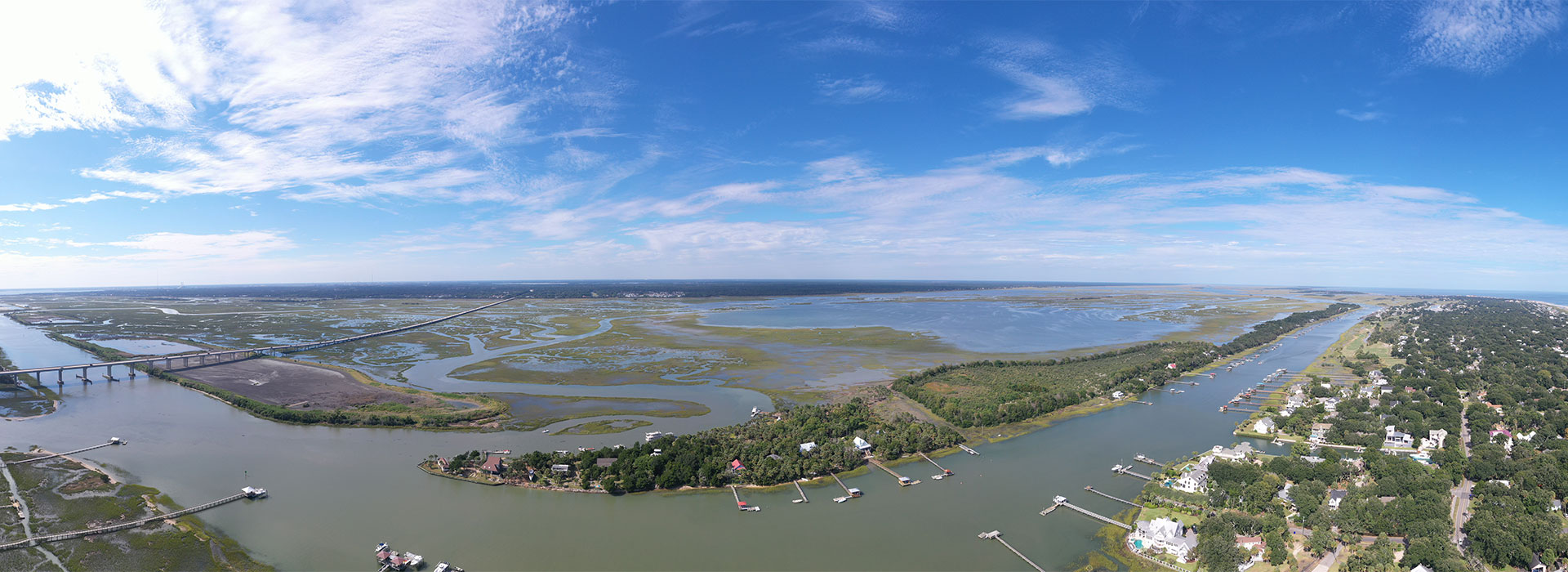
Lowcountry marsh and water

Start with a call.

Litigation and closings are scheduled from the same Bluffton office. Hours are Monday–Thursday 9:00 a.m.–5:00 p.m. and Friday 9:00 a.m.–1:00 p.m.

Contact the office

Civil

Cases that belong in front of a fact-finder.

Civil litigation here is for disputes that will not settle on a form letter. The firm prepares contract, business, and injury cases the way a trial lawyer prepares them: the documents, the witnesses, the damages, and the order of proof.

Business and contract files include broken deals, unpaid work, partnership and account disputes, and the civil aftermath of a commercial relationship that failed. The question is whether the facts can be proved and whether the amount in controversy is worth the fight.

Injury work is limited to serious harm — vehicle wrecks and other cases in Beaufort County and throughout South Carolina where the damages justify a trial lawyer. Soft-tissue volume files and cases that exist only to generate a demand package are not the practice.

Past results do not guarantee a similar outcome. The firm does not take every civil inquiry.
What the civil file usually is

  • Contract and commercial disputes
  • Business, partnership, and account cases
  • Serious personal injury, including vehicle wrecks
  • Matters that need discovery, motions, and a trial date
  • Cases other firms treat as too small for their trial docket and too large for a mill

Closings

Residential closings from the Bluffton office.

Real estate closings are a standing part of the practice. The work is residential and related closings in Bluffton and the Lowcountry: purchase, sale, and the last-week problems that stall funding — title exceptions, walk-through issues, survey and easement questions, and the lender package that arrives late.

A closing is not a ceremony. It is the last chance to see whether the deed, the title commitment, the survey, and the numbers match what the contract promised. The firm reviews those papers before anyone sits down to sign.

Call the office to schedule. Bring the contract, the title work, and the lender’s closing disclosure when you have them. Friday hours end at 1:00 p.m.; do not wait until Friday afternoon to start a closing that funds the same day.

What a closing here covers

  • Residential purchase and sale closings
  • Title commitment and exception review
  • Walk-through and last-week contract issues
  • Survey, easement, and access questions that show up late
  • Coordination with the lender, agent, and title work already in the file

Not a mill

The firm does not advertise for every fender-bender in the county. Injury and civil files are taken when the harm and the proof justify trial preparation.

One lawyer

The person who handles the federal and class cases is the person who handles the civil file and sits at the closing table. The work is not handed to a rotating associate the client has never met.

If the file is civil or a closing, start with the office.


Call or write. Say whether the matter is a dispute or a closing. For a closing, say the contract date and the scheduled funding date. For a civil file, say who the other party is and what you have in writing.